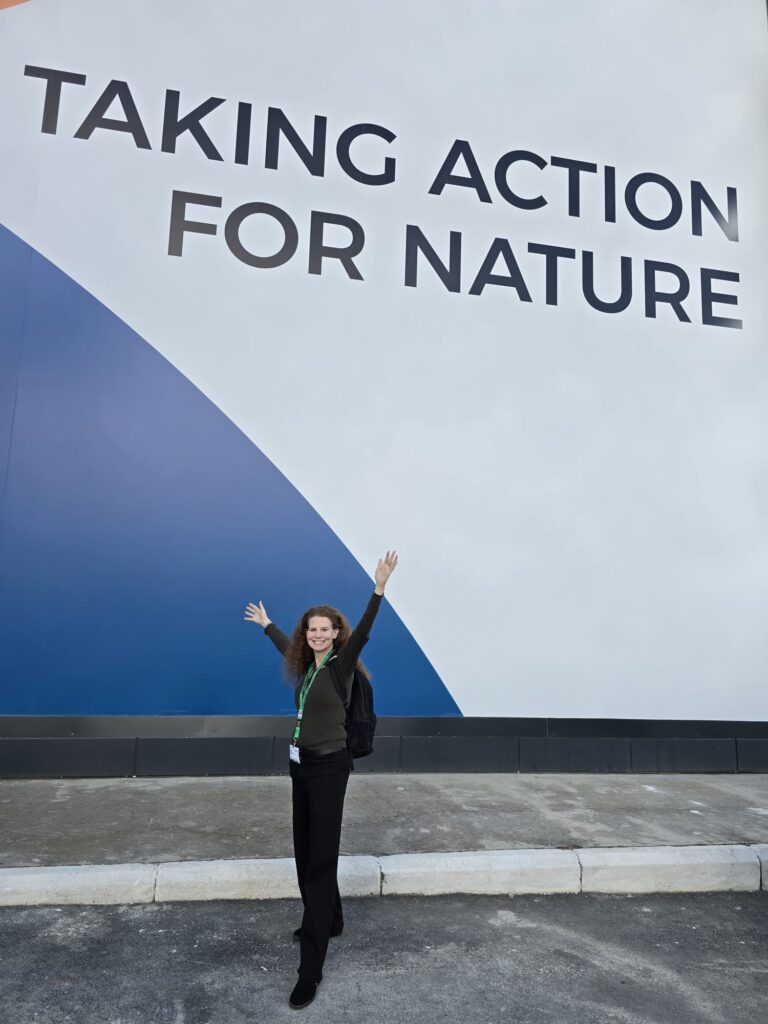
What happens across our Mediterranean ecosystem connects directly to the planet’s future. When world leaders and conservation advocates gathered in Yerevan, Armenia, for COP17, the United Nations Biodiversity Conference, our Executive Director, Deanna Armbruster, represented our mountains on the global stage.
We sat down with Deanna upon her return to discuss what international climate priorities mean for our local parklands. Read on to learn about what Deanna gleaned through her participation:
Can you share more about COP17 in Armenia? What was the conference’s purpose?
“COP17 is the United Nations Biodiversity Conference, where countries from around the world come together to address the loss of biodiversity and what we can collectively do about it. This year’s conference took place in Yerevan, Armenia, with a major focus on measuring progress toward global biodiversity goals, including the commitment to conserve 30% of the planet’s lands and waters by 2030.
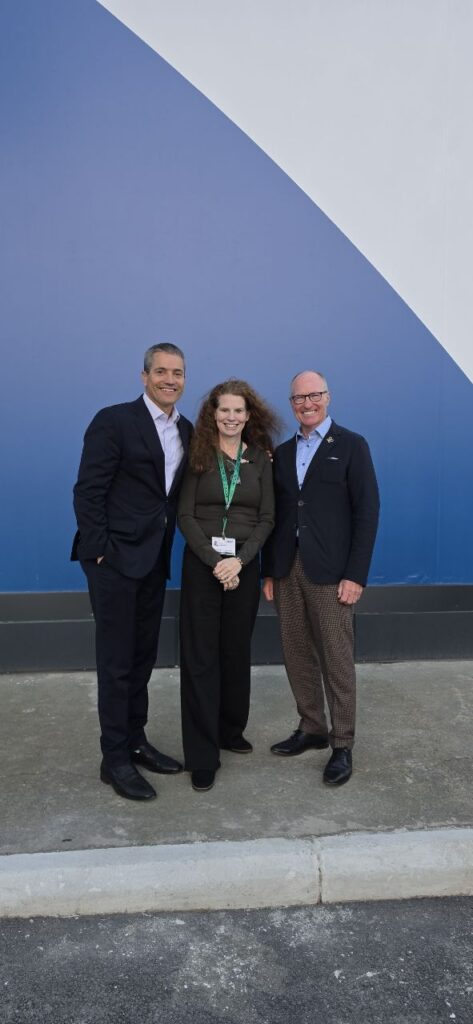
I attended as part of the California Global Biodiversity Alliance, joining scientists, government representatives, conservation organizations, and community leaders.
What I found particularly interesting was seeing how these international agreements are negotiated. Countries can spend hours debating a few words, because those words influence national policies, funding, and future conservation efforts. But the larger question is what happens after those agreements are made. How do we turn commitments into actual improvements for biodiversity?
That’s why I wanted SAMO Fund to be part of these conversations. We have firsthand experience doing the work that international agreements are intended to support.”
From your vantage point leading SAMO Fund, how does this conference translate directly to our work in the Santa Monica Mountains?
“The connection is much more direct than people might think. The challenges being discussed at COP17—habitat loss, fragmentation, wildfire, climate change, and restoring damaged ecosystems—are the same issues we work on every day in the Santa Monica Mountains.
One of the points I emphasized in my presentation was that protecting land is only part of the solution. We also have to keep landscapes connected and ecosystems functioning.
Our mountain lions are a good example. Scientific research showed how highways and development were isolating wildlife populations. That research helped lead to the Wallis Annenberg Wildlife Crossing, and SAMO Fund has helped provide the native plant infrastructure needed to restore habitat associated with that project.
We support native seed collection, plant propagation, habitat restoration, wildlife research, and the people needed to carry out this work.
What COP17 reinforced for me is that conservation doesn’t end when land is protected or a restoration project is completed. It requires sustained investment, monitoring, and long-term stewardship. That’s an important part of SAMO Fund’s role.”
When you shared about SAMO Fund with other attendees, what resonated most with international colleagues about protecting wildlife and biodiversity alongside a metropolis?
“I think what makes our story so compelling is the contrast. We have this extraordinary biodiversity hotspot immediately adjacent to Los Angeles, with millions of people, major freeways, urban development, and tremendous recreational use.
People often think of biodiversity conservation as something happening in remote forests or wilderness areas. Our experience shows that some of the most important conservation challenges are happening right next to cities.
I shared the story of our mountain lions, the wildlife crossing, and the restoration work taking place across the Santa Monica Mountains. But I also wanted people to understand the partnerships behind that work. We have federal, state, local, and private lands, and none of these boundaries mean anything to wildlife.
Our experience demonstrates why science, government agencies, nonprofit organizations, and communities all have to work together.
I think that’s a valuable lesson we can offer internationally. We are learning how to protect and restore a functioning ecosystem while living alongside one of the largest metropolitan areas in the world.”
Did you see novel approaches or funding mechanisms for ecological recovery, especially around native plant propagation, seed banking, or post-fire habitat resilience, that we could pilot locally?
“One of the most interesting areas of discussion was how to finance conservation over the long term. There is growing recognition that traditional, short-term project funding isn’t enough to address problems that take decades to solve.
COP17 included new biodiversity funding commitments and discussions about bringing governments, private investment, and philanthropy together to support ecological recovery.
For SAMO Fund, I see an opportunity to build on the native plant and restoration infrastructure we’ve already developed.
We could strengthen our approach to collecting and storing locally adapted native seeds, expand nursery capacity, and develop a more coordinated restoration-readiness program. That could put us in a better position to respond when restoration is needed following wildfires, while recognizing that some burned landscapes recover best through natural regeneration.
I’m also interested in how we measure results. Growing plants and restoring acreage are important, but we also need to know whether native vegetation is recovering, habitat conditions are improving, and wildlife is benefiting.
I’d like us to explore partnerships that bring together public funding, philanthropy, and research to support this entire process—from seed collection and propagation to restoration and long-term monitoring. We have much of the expertise already. The opportunity is to build the sustained funding and capacity around it.”
How can SAMO Fund use this summit’s momentum to deepen our education programs and youth workforce initiatives in Southern California?
“One message came through clearly: we cannot achieve global biodiversity goals without investing in people.
That is something SAMO Fund already understands. Our education and youth workforce programs introduce young people to the natural world, but they also create opportunities for students to see conservation as a career.
I would like to see us build stronger connections between environmental education, hands-on field experience, paid employment, and longer-term career opportunities.
Imagine a student who first visits the Santa Monica Mountains through an education program, later participates in habitat restoration, works in a native plant nursery, and eventually pursues a career in conservation science or public land management.
That’s the kind of pathway we should be helping create.
COP17 also reinforced the importance of reaching communities that haven’t always had access to these opportunities. Southern California has an incredibly diverse population, and our programs should reflect that.
Protecting biodiversity is not just about what we do on the land today. It’s also about preparing the next generation of people who will care for it.”
Between plenary sessions, negotiations, and networking in Armenia, what one conversation, panel, or personal moment left you most energized for the year ahead?
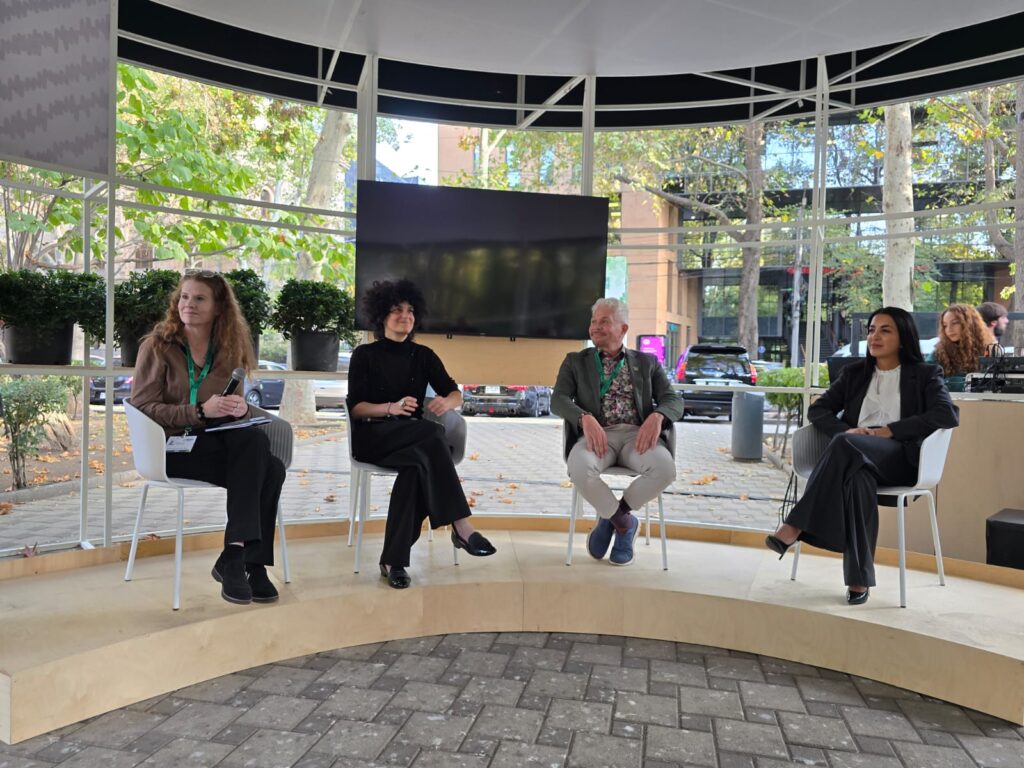
“One of the experiences I particularly valued was moderating a discussion called From Nature Hotspots to Bright Spots, which brought together perspectives from California and Armenia on biodiversity in urban environments.
It was a great reminder that even though our cities, landscapes, and governments may be very different, we are confronting many of the same questions. How do we protect nature as cities grow? How do we reconnect fragmented habitats? And how do we make biodiversity part of the decisions communities make every day?
I also had the opportunity to present the Santa Monica Mountains at the Science-Policy Forum, where the discussion focused on how to turn the global 30×30 commitment into meaningful conservation results.
What stayed with me was the importance of connecting international policy with the people actually carrying out conservation work.
I came away feeling that SAMO Fund has something important to contribute to these discussions, but also that we have a great deal to learn from what others are doing.
For me, the biggest takeaway is that we don’t need to wait for another global agreement to make progress. We know much of what needs to be done. Our challenge is to build the partnerships, resources, and capacity to do more of it.“
For our local volunteers, supporters, and park neighbors reading this, global UN summits can sometimes feel distant. Why does an individual gift to SAMO Fund represent a meaningful, tangible contribution to the worldwide biodiversity effort?
“One of the things I took away from COP17 is that global biodiversity goals will only be achieved through local action. Governments can make commitments, but those commitments ultimately depend on what happens in individual landscapes and communities.
Investments in our local mountains make a tangible difference, and they build on one another. The native plant nursery supports restoration. Restoration improves habitat. Healthy habitat supports wildlife. Scientific research on wildlife informs conservation decisions. Education and workforce programs help ensure there are people with the knowledge and skills to continue this work. Our donors are helping protect one of the world’s important biodiversity regions, right here in Southern California.
Supporting the Santa Monica Mountains contributes to global biodiversity goals.”
You don’t have to attend an international conference to make a difference in global biodiversity. You can make that difference right here at home.